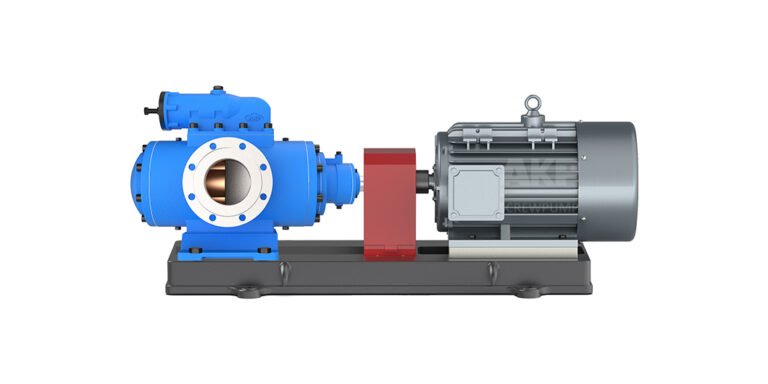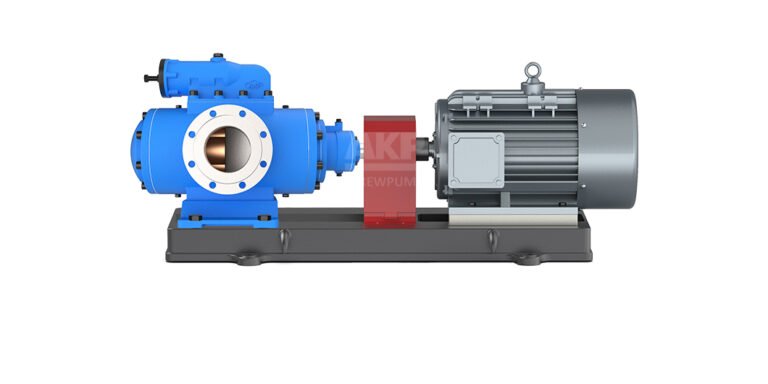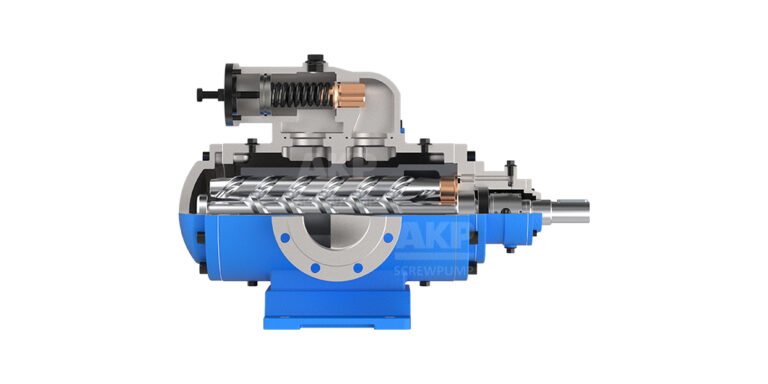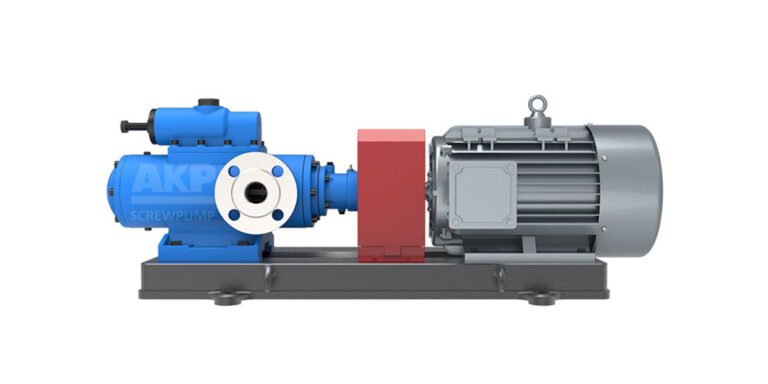
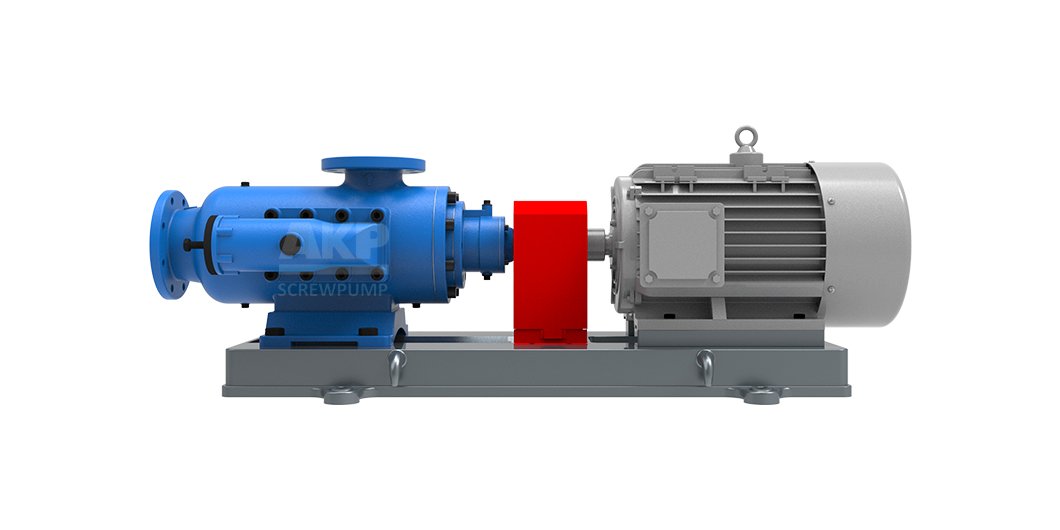
Why the Three-Screw Pump is Key to Efficient Fluid Transfer?
The three-screw pump stands as a pivotal solution for efficient fluid handling across industries such as marine, energy, and chemical processing. Its effectiveness is derived from a combination of six key engineering advantages that collectively ensure reliable, economical, and adaptable operation.
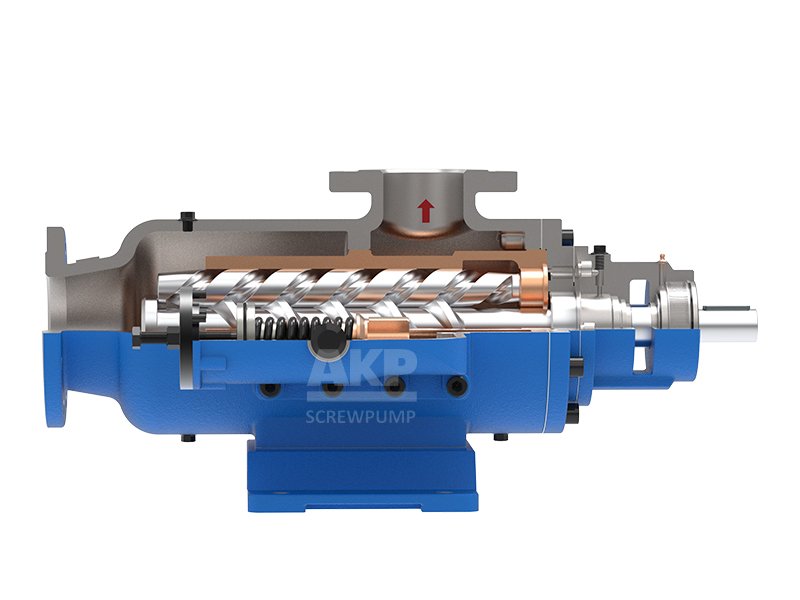
- Low-Pulsation Fluid Delivery
The precisely intermeshing rotors create a continuous, sealed cavity that moves fluid smoothly. This results in a nearly pulse-free flow, which is critical for protecting sensitive instruments, ensuring process stability, and enabling precise metering.
- Extremely Low Vibration and Noise
Inherently balanced internal forces and the absence of violent fluid direction changes allow for exceptionally quiet and smooth operation. This minimizes structural stress on pipework and surrounding equipment while improving the working environment.
- Wide Operating Flow Range
The flow rate is directly proportional to pump speed, providing excellent controllability across a broad capacity spectrum. Users can match output closely to demand without sacrificing efficiency, enhancing system flexibility.
- Ability to Handle a Broad Viscosity Range
From light solvents (<10 cSt) to heavy fuels and polymers (>100,000 cSt), the pump maintains stable performance. Its positive displacement action is largely unaffected by viscosity changes, making it highly versatile.
- Low-Wear, Low-Maintenance Operation
The rotors are hydraulically balanced, eliminating metal-to-metal contact and significantly reducing wear. This design ensures long service intervals, minimal energy loss, and a low total cost of ownership over the pump’s lifespan.
- Multiple Material Combinations
Components can be manufactured in various materials—such as coated steels, stainless steels, or special alloys—to handle corrosive, abrasive, or non-lubricating fluids like seawater, chemicals, or synthetic fuels.
In summary, the three-screw pump integrates hydraulic smoothness, operational flexibility, and mechanical durability into one robust package. By delivering consistent performance across diverse conditions with minimal energy waste and maintenance, it proves to be a fundamental component for efficient and reliable fluid transfer systems.