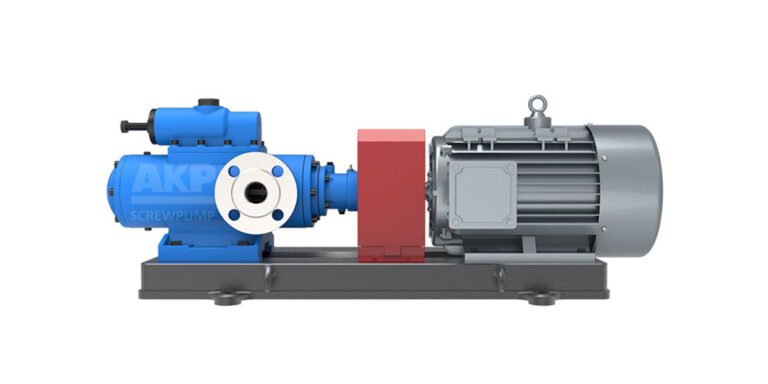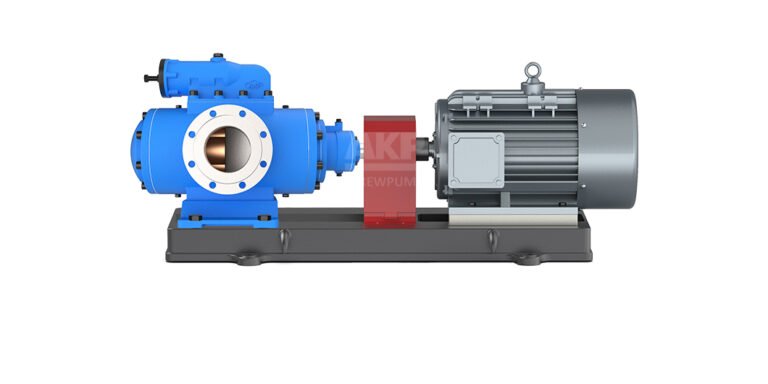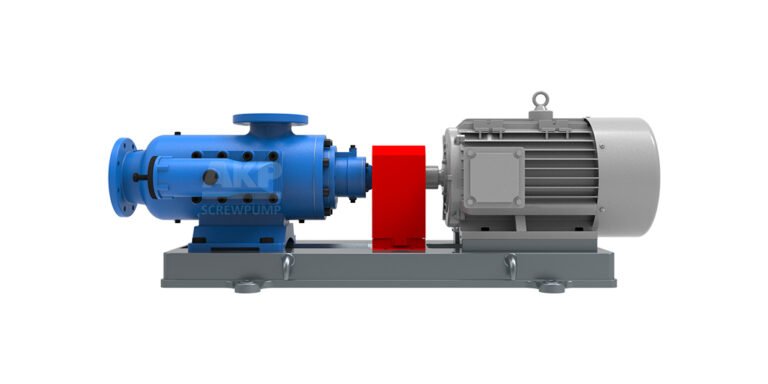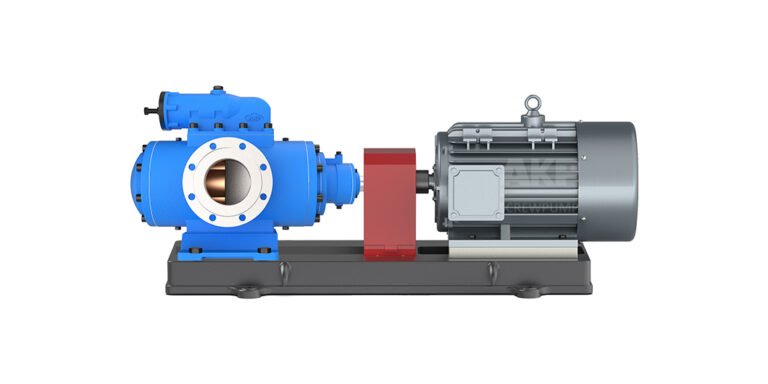
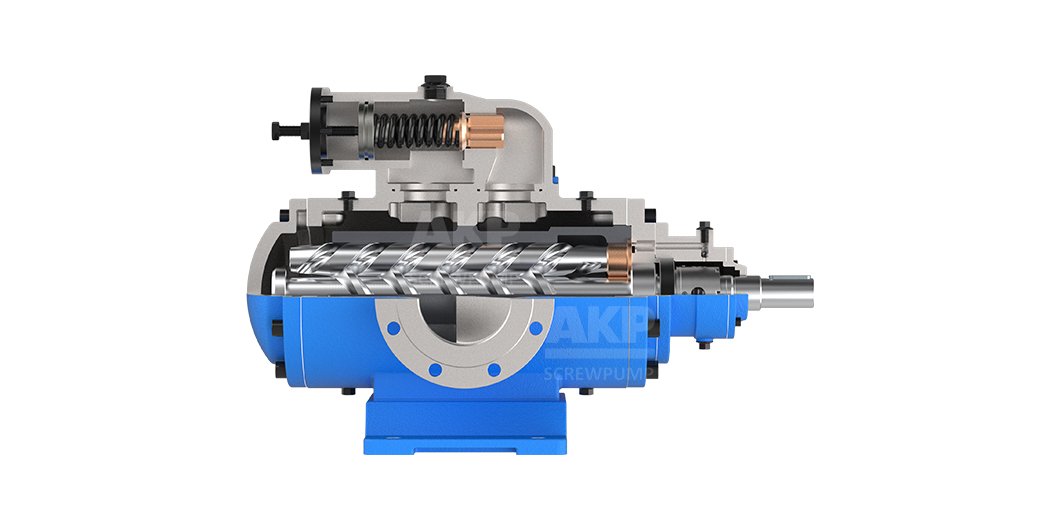
The Advantages of the Three-Screw Pump
In the diverse world of positive displacement pumps, the three-screw pump stands out as a uniquely efficient and reliable solution for demanding industrial applications. Its ingenious design, featuring a central power rotor meshing with two idle rotors within a close-fitting housing, translates into a set of compelling operational advantages. Primarily used for transferring clean, lubricating fluids—from industrial lubricants and hydraulic oil to fuel oil and chemical feedstocks—the three-screw pump excels where smooth flow, high pressure, and handling viscosity are paramount.
Unmatched Flow Characteristics: The Pinnacle of Smoothness
The most significant advantage of the three-screw pump is its ability to deliver an exceptionally smooth, virtually pulse-free flow. Unlike piston or gear pumps that create inherent pressure ripples, the continuous, overlapping sealing chambers formed by the screws ensure a steady, laminar output. This characteristic is critical in applications like precision lubrication systems, hydraulic power units, and fuel injection systems, where flow pulsation can cause vibration, noise, instrumentation errors, or even damage to sensitive downstream components.
High Efficiency Across a Wide Operating Window
Three-screw pumps are renowned for their high volumetric and mechanical efficiency. The internal sealing lines are highly effective, minimizing internal slip (fluid leakage back to the suction side). This allows them to maintain a consistent flow rate across a broad spectrum of discharge pressures and fluid viscosities. The result is predictable performance and lower energy consumption per unit of fluid delivered, leading to reduced operational costs. Furthermore, their excellent self-priming capability and good suction performance (low NPSHr) make them easy to start and reliable in various system layouts.
Robustness and Reliability in Demanding Service
The design inherently provides hydraulic balance of axial forces. The pressure profiles on the screw set are arranged to cancel out most of the axial thrust that would otherwise be loaded onto the thrust bearings. This fundamental characteristic drastically reduces mechanical wear, minimizes bearing load, and significantly extends the pump’s service life, even under high-pressure conditions. Coupled with the purely rotational motion and absence of contacting metal parts within the fluid chamber, this leads to quiet, low-vibration operation—a stark contrast to the noisy engagement of external gear pumps or the reciprocating clatter of piston pumps.
Mastery of Viscous Fluids
While excellent with thin oils, three-screw pumps truly demonstrate their strength with medium to high-viscosity fluids. They are the preferred choice for handling products like heavy fuel oil, asphalt, resin, or lubricating greases. The positive displacement action and the large, uniform flow passages allow these thick fluids to be moved efficiently without the excessive shear or cavity formation that can plague centrifugal pumps. The flow rate remains directly proportional to speed, providing precise control regardless of viscosity changes.
Compact Design and System Benefits
Despite their robust performance, three-screw pumps offer a **high power density and compact footprint**. They can deliver a substantial flow rate for their size and operating speed, saving valuable space in engine rooms, skids, and industrial plants. The combination of smooth flow, reliability, and viscosity handling translates into broader system benefits: reduced pipe vibration, longer seal and bearing life for associated equipment, and overall greater process stability.
In conclusion, the three-screw pump is not a universal solution for all pumping challenges—it is specifically engineered for clean, lubricating liquids. However, within its domain, it offers an unbeatable combination of hydraulic smoothness, energy-efficient operation, mechanical durability, and mastery of viscosity. These advantages solidify its status as a critical and trusted component in industries ranging from marine and power generation to chemical processing and manufacturing, where dependable, low-maintenance fluid transfer is non-negotiable.